
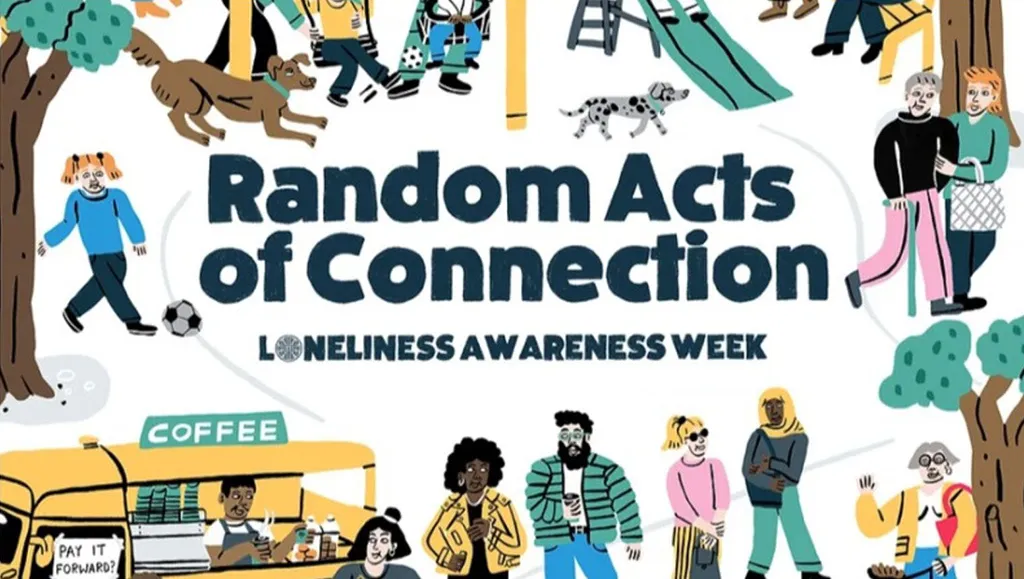
Loneliness Awareness Week 2026: Giving Loneliness a Voice
Loneliness is an ongoing condition that affects millions worldwide, but it is particularly prevalent among older adults. As we mark Loneliness Awareness Week 2026, it is crucial to highlight the profound impct of loneliness on older adults and explore how homecare services, such as those provided by Connected Health, can mitigate this issue.
This year’s theme, “Giving Loneliness a Voice,” encourages people to speak openly about loneliness and helps create greater awareness and understanding of the challenges many individuals face. For older adults in particular, loneliness can often go unnotced or unspoken. By encouraging conversations and recognising the signs early, families carers, healthcare professionals and communities can help ensure that older people feel connected, supported and valued.
Understanding Loneliness Among the Elderly
Loneliness is more than just a feeling of sadness or isolation, it is a chroic state that has physical and mental repercussions. For older people, loneliness can stem from various factors, including the loss of a spouse, physical limitations, health issues, or a lack of social engagement. This feeling of isolation often leads to a decline in mental health, exacerbating conditions such as depression, anxiety and cognitive decline.
In older adults, loneliness can be manifested with a fifty percent increase in dementia risk and a 30% increase in incident coronary heart disease or stroke risk. According to the World Health Organisation, the health risks are comparable to those of smoking 15 cigarettes per day and even worse than obesity and inactivity.
The Signs of Loneliness and How to Recognise Them
Can loneliness cause depression?
Loneliness in the elderly often manifests through various signs that can sometimes be subtle and easily overlooked. Recognising symptoms of loneliness is vital for providing support and intervention. Here are the key indicators of loneliness in older people and how to ease loneliness:
Withdrawal from Social Activities
Elderly individuals experiencing loneliness are known to withdraw from social activities and interactions they once enjoyed. They may stop attending community events, clubs or family gatherings. Pay attention if your loved one seems increasingly isolated or uninterested in socialising.
Changes in Mood and Behaviour
Significant changes inn mood and behaviour can be a clear sign of loneliness. Look for increased irritability, sadness or signs of depression. you might also notice that the person becomes more anxious, shows signs of paranoia, or experiences frequent mood swings.
Decline in Physical Health
Loneliness can be taxing on physical health. noticeable signs include weight loss or gain, neglect of personal hygeine and a general decline in appearance. If an older person is not maintaining their usual standards of self-care, it might be due to feelings of loneliness and neglect.
Frequent Health Complaints
Lonely elderly individuals may often complain about various health issues, varying from minor aches and pains to more serious concerns. It’s essential to discern whether these complaints are due to actual medical conditions or a manifestation of loneliness and the need for attention.
Disinterest in Hobbies and Activities
A sudden loss of interest in hobbies and activities that were previously enjoyable is a significant red flag. This disinterest can stem from a lack of motivation or the absense of someone to share these activities with. Encourage your lonely family members to engage in activities and observe their enthusiasm.
Increased Time Spent Alone
While some alone time is average, excessive isolation is not. If your loved one spends an unusual amount of time alone, it could signify loneliness. This might include staying in their room for long periods, not answering phone calls or avoiding visitors.
Changes in Sleep Patterns
Loneliness can disrupt sleep patterns, leading to insomnia or excessive sleeping. Notice if your loved one is having trouble sleeping, waking up frequently at night, or sleeping too much during the day. These changes can be indicative of underlying emotional distress.
Cognitive Decline
Loneliness can accelerate cognitive decline, manifesting as increased forgetfulness or confusion. If an older adult is experiencing memory lapses more frequently or seems disorientated, it could be a sign that they are struggling with loneliness.
The Benefits of Homecare for Lonely Elders
Homecare offers many benefits that can significantly alleviate the loneliness experienced by elderly individuals. Here are some of they key advantages:
Companionship and Emotional Support
One of the primary benefits of homecare is the companionship it provides. Caregivers offer emotional support, engage in menaingful conversations and participate in activities that the elderly individual enjoys. This companionship helps reduce feelings of isolation and loneliness while supporting overall mental wellbeing.
Regular Social Interaction
Homecare services ensure that elderly individuals have regular social interactions. This can include the caregiver’s visits and arranging for social activities, outings and community engagement. Frequent and regular interaction helps to keep the mind active and can prevent the cognitive decline associated with loneliness.
Personalised Care
Homecare services tailored to meet the specific needs of each individual. This personalised approach ensures that older adults receive the care and attention they need, whether assistance with daily tasks, medial support or simply having someone to talk to. This tailored care can significantly enhance their quality of life.
Health Monitoring and Support
Caregivers can monitor the health and wellbeing of older adults, ensuring they receive proper nutrition, medication and medical care. Regular monitoring helps prevent health issues from escalating and provides peace of mind to them and their families.
Maintaining Independence
Homecare services provide many distinct advantages, including allowing elderly individuals to remain in their homes while receiving support, independence and dignity-preserving assistance which is vital for their mental and emotional wellbeing.
Acquire Homecare Services With Connected Health
As we observe Loneliness Awareness Week 2026 and embrace the theme of “Giving Loneliness a Voice,” it is essential to recognise the impact of loneliness on older adults and take proactive steps to address it. By encouraging open conversations around loneliness, we can help ensure that older adults feel heard, understood, and supported.
Homecare services, such as those provided by Connected Health, offer a viable solution to combat loneliness and improve the overall quality of life for elderly individuals. Through companionship, personalised care, regular social interaction, and professional support, homecare services help older adults remain connected while maintaining their independence in the comfort of their own homes.
Take the first step towards improving the well-being of your elderly loved ones. Contact Connected Health today to learn more about our comprehensive homecare services and how we can help alleviate loneliness and enhance their quality of life.
By choosing Connected Health, you are choosing a service dedicated to compassion, professionalism, and the highest standard of care. Let us help your loved ones live a fulfilling, independent, and happy life while ensuring that loneliness is no longer faced in silence.