
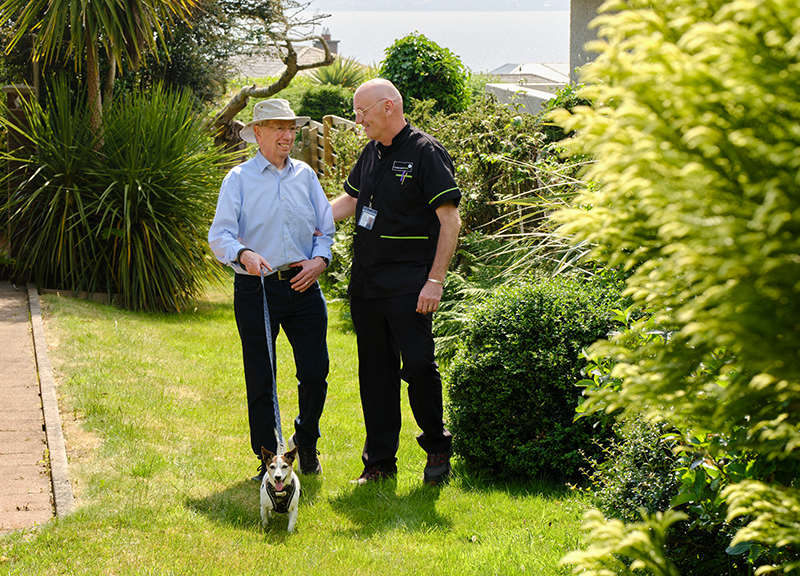
The Benefits of Reablement Care at Home
Recovering from an illness, injury, or health setback requires more than just physical healing it demands a holistic approach that nurtures emotional wellbeing and promotes independence. Connected Health’s reablement care services at home provides personalised, dignified support during this crucial transition, empowering individuals to regain control over their lives with confidence and dignity.
Understanding Reablement
Reablement care goes beyond traditional homecare. It is a specialised, short-term support service designed to help individuals rebuild independence after illness, injury, or hospitalisation. The experienced Connected Health reablement team works closely with clients to restore essential skills, rebuild confidence, and foster the ability to live independently.
Holistic Support for Emotional Wellbeing
Recovery isn’t only physical it affects emotional health too. Our reablement care at home focuses on emotional support alongside practical assistance. The Connected Health team helps individuals develop coping strategies, manage the emotional challenges of recovery, and regain confidence, ensuring a smoother and more empowering transition back to independent living.
The Role and Principles of Reablement
Strengths-Based Approach: Reablement care is committed to being strengths-based, providing ongoing care with a person-centred approach.
Wellbeing Promotion: Actively promoting wellbeing is at the core of reablement, striving to maximise independence.
Goal-Oriented Care: Principles include focusing on strengths, supporting potential, identifying personal goals, promoting independence, and encouraging active participation in care planning.
How Long Does Reablement Last?
Reablement services operate on a support-based, short-term assessment model, typically spanning from two to six weeks. The flexible duration allows the reablement team to work closely with individuals for about six weeks, though adjustments can be made if specific goals can be achieved in a shorter time frame.
Reablement Care vs Traditional Rehabilitation
Unlike traditional home care, which often follows a “doing for” approach, reablement focuses on “doing with” the individual. The goal is to rebuild daily living skills, strengthen confidence, and restore independence, offering a more empowering and sustainable path to recovery.
Who is Reablement For?
Reablement care is designed for older adults over 65 after a hospital stay, individuals who have experienced illness, injury, or health deterioration, and anyone receiving home care.
Benefits of Reablement Care at Home
Personalised Plans
Reablement care sets clear goals for recovery, offering personalised plans tailored to client strengths.
Specific Outcome Focus
The approach is goal-oriented, focusing on specific outcomes for targeted recovery.
Wellbeing Promotion
Beyond physical care, reablement promotes overall wellbeing and independence.
Reduced Need for Future Care
Successful reablement often results in a reduced need for future care.
Preventing Loneliness
It helps prevent loneliness and social isolation, fostering a supportive environment.
Prolonged Independence
Individuals can enjoy prolonged ability to live independently at home.
The Goal Of Reablement
At its core, the goal of reablement is to empower individuals to regain control of their lives by fostering independence and achieving personalised milestones. The flexible and goal-oriented nature of reablement care ensures that individuals experience a transformative journey toward enhanced wellbeing and sustained independence.
Embark on your journey to independence with Connected Health’s Reablement care at home. Click here to initiate your personalised reablement experience.